Free OnlineAI Moodboard Generator
How to Create a Moodboard with AI
Frame the Creative Decision
Set Visual Anchors and Boundaries
Generate a Coherent Direction
Edit Tension, Then Share
Why Choose Mew Design as Your AI Moodboard Generator
One Visual DNA Across the Board
Mew Design reads palette, light, texture, shape, composition, and emotional tone together so the board feels like one direction rather than unrelated images placed in a grid.
References With Explicit Roles
Upload images and explain why each matters. Ask the AI to borrow the color logic from one, material language from another, and lighting from a third without copying their subjects or compositions.
Palette, Material, and Atmosphere in Context
The online AI moodboard generator can combine color swatches with surfaces, objects, spaces, styling, photography, and graphic cues, making abstract adjectives easier to evaluate.
Alternative Directions for Better Decisions
Do not force every idea onto one board. Generate a restrained route, a bolder route, or a warmer route and compare what each communicates before committing production time.
Made for Real Creative Briefs
Shape brand launches, room concepts, fashion stories, photoshoots, packaging families, weddings, events, and web directions with examples selected for that practical destination.
Refine Through Creative-Director Feedback
Say “less rustic,” “remove literal technology imagery,” or “keep the palette but make the photography more human.” Chat Edit turns subjective feedback into controlled changes.
How to Write an Effective AI Moodboard Prompt
- Name the Project and Audience: A hotel lobby, skincare launch, wedding, editorial shoot, and app brand need different references even when all are described as minimal.
- Break the Aesthetic Into Signals: Specify palette, temperature, lighting, texture, materials, shape language, photography, typography character, era, and emotional tone.
- Give References a Job: State whether an upload controls color, texture, composition, product category, or atmosphere. Also say which elements must not transfer.
- Write an Avoid List: Call out clichés, colors, objects, finishes, stock-photo behavior, or adjacent styles that would make the direction feel wrong.
Customizable AI Moodboard Prompt Examples
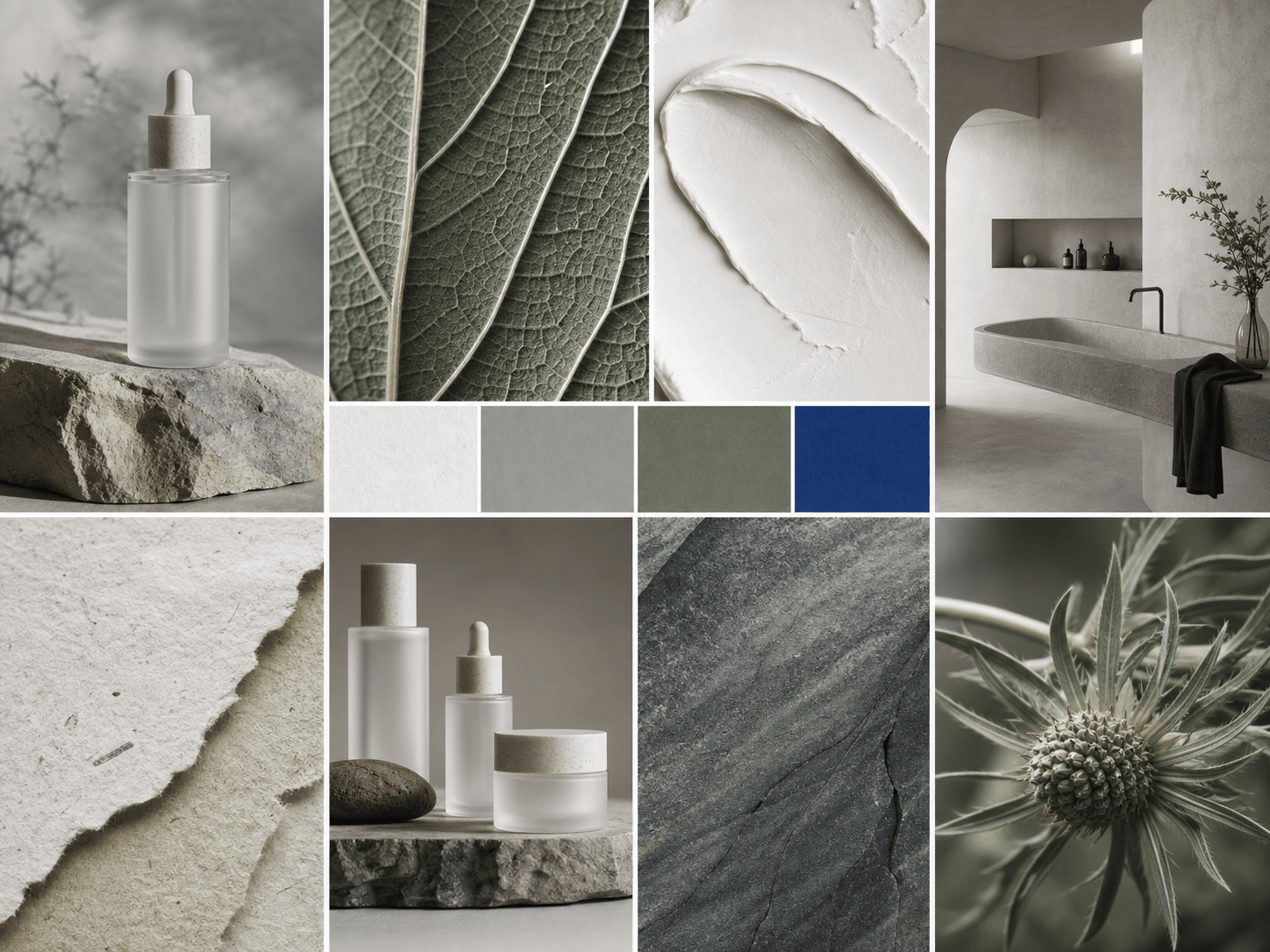
Skincare Branding: Create a moodboard for a refillable sensitive-skin brand. Visual idea: laboratory precision softened by handmade paper and quiet botanical details. Use mineral white, fog gray, sage, cobalt accent, frosted glass, macro textures, side lighting, and disciplined sans-serif type character. Avoid spa stones and generic leaves.
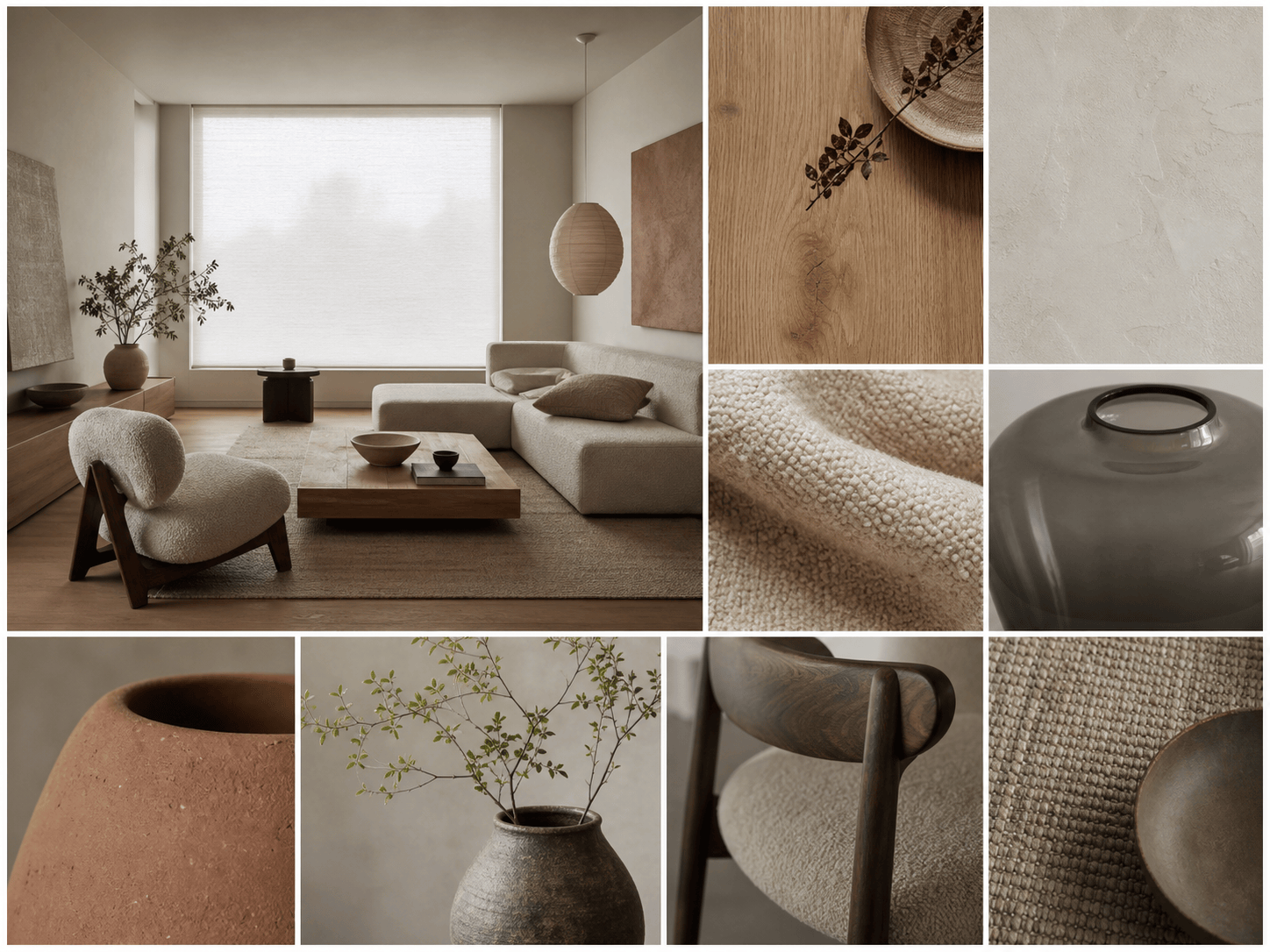
Japandi Living Room: Build an interior moodboard for a compact north-facing apartment. Warm oak, limewash, oatmeal wool, smoked glass, low sculptural furniture, diffused lighting, and muted clay accents. Show material close-ups and one spatial reference. Avoid all-white rooms, excessive beige, and impractical open shelving.
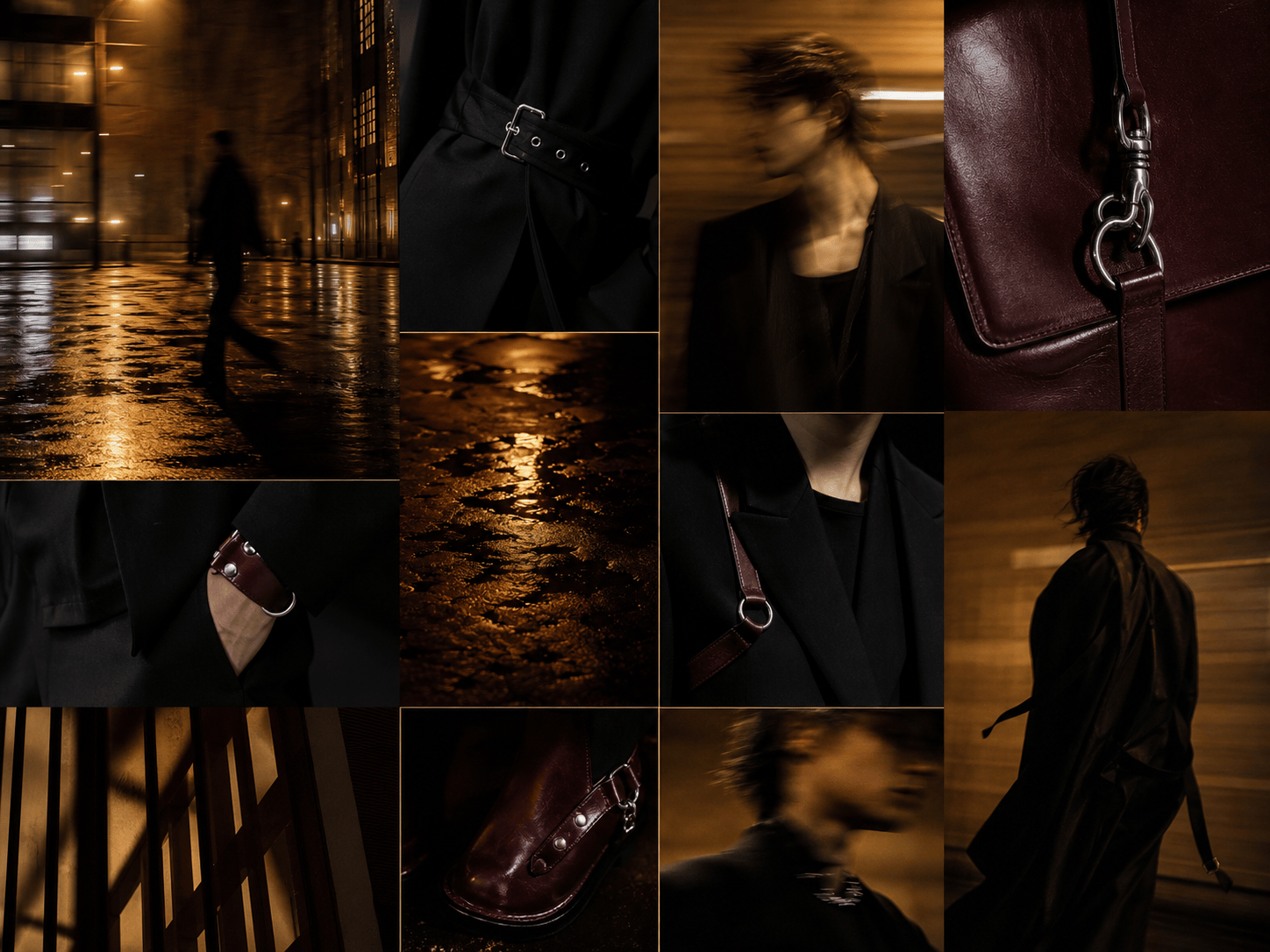
Fashion Editorial: Generate a moodboard for an autumn story titled “After the Last Train.” Wet pavement, sodium-vapor amber, ink black tailoring, oxblood leather, blurred motion, silver hardware, cinematic night portraits, and sharp condensed type character. Avoid cyberpunk neon and costume styling.
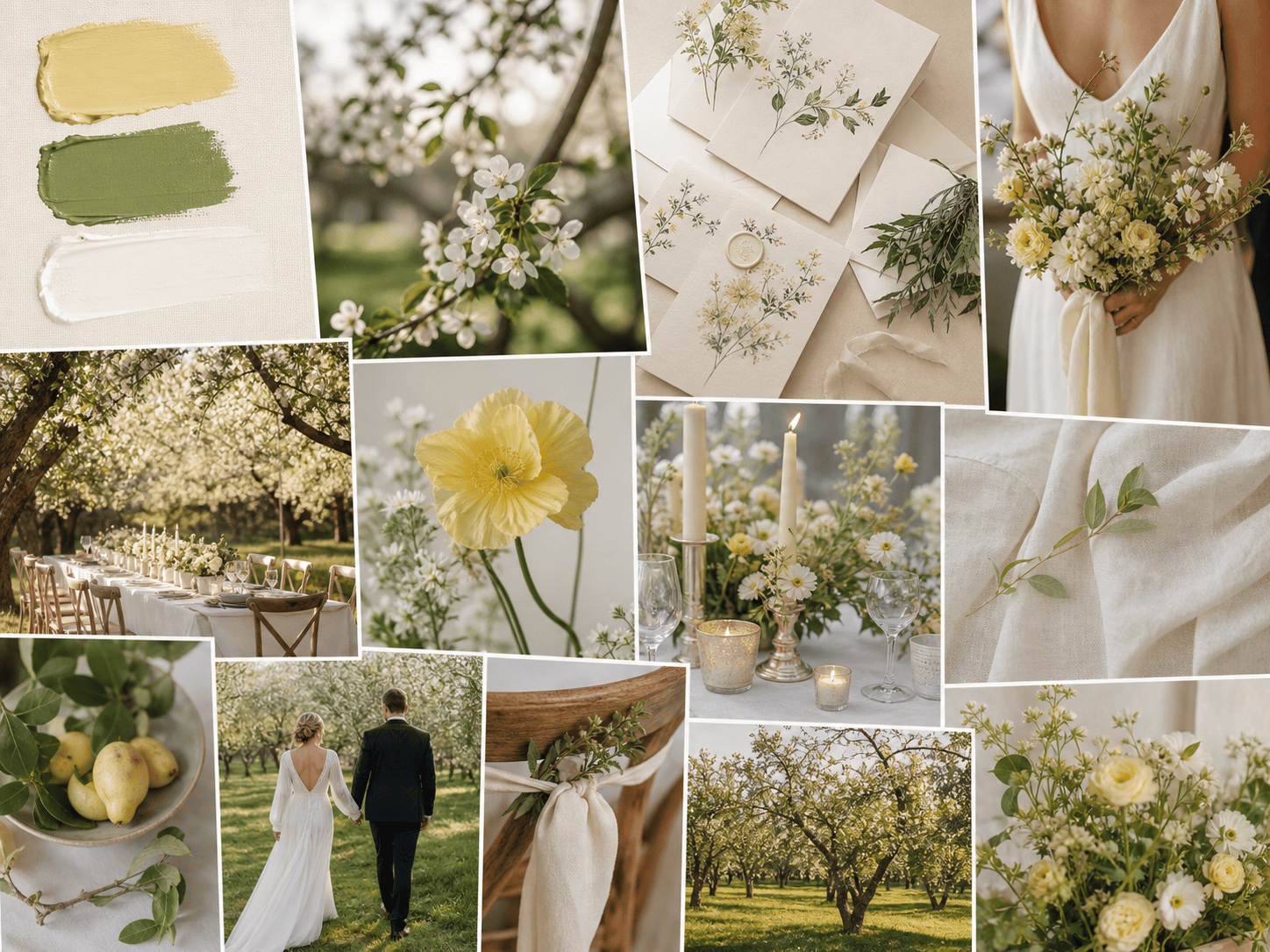
Garden Wedding: Create a wedding moodboard for an intimate late-spring celebration in an old orchard. Soft butter yellow, leaf green, ivory linen, hand-painted stationery, loose seasonal flowers, candlelight, weathered wood, and documentary photography. Avoid blush pink, mason jars, and overly rustic signage.
Boutique Hotel Identity: Develop two related boards for a coastal city hotel: Route A is sun-faded modernism with terracotta and canvas; Route B is nocturnal harbor elegance with navy glass and brass. Include architecture, materials, uniforms, signage character, and guest photography.
Mobile Wellness Brand: Make a digital brand moodboard for a sleep-coaching app. Midnight blue, warm dim gradients, soft grain, abstract circadian curves, calm editorial portraits, rounded but mature type character, and accessible high contrast. Avoid moons, clouds, and childish bedtime icons.