Free OnlineAI Gradient Generator
How to Create a Gradient Background with AI
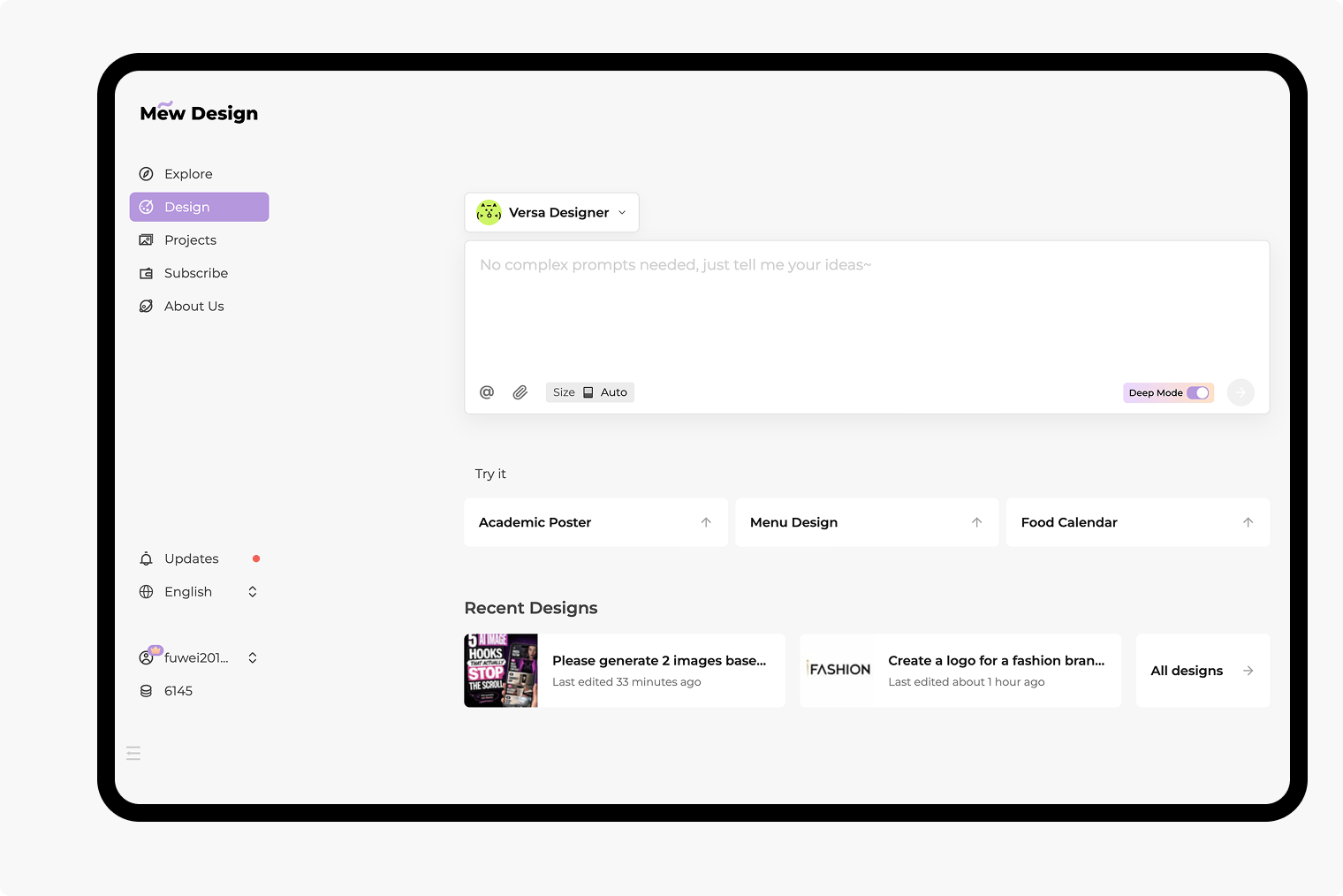
Set the Canvas and Color Direction
Generate the Gradient Background
Shape the Blend with Chat Edit
Export for the Final Placement
From a Color Mood to a Usable Gradient Background
Describe Color Instead of Dragging Stops
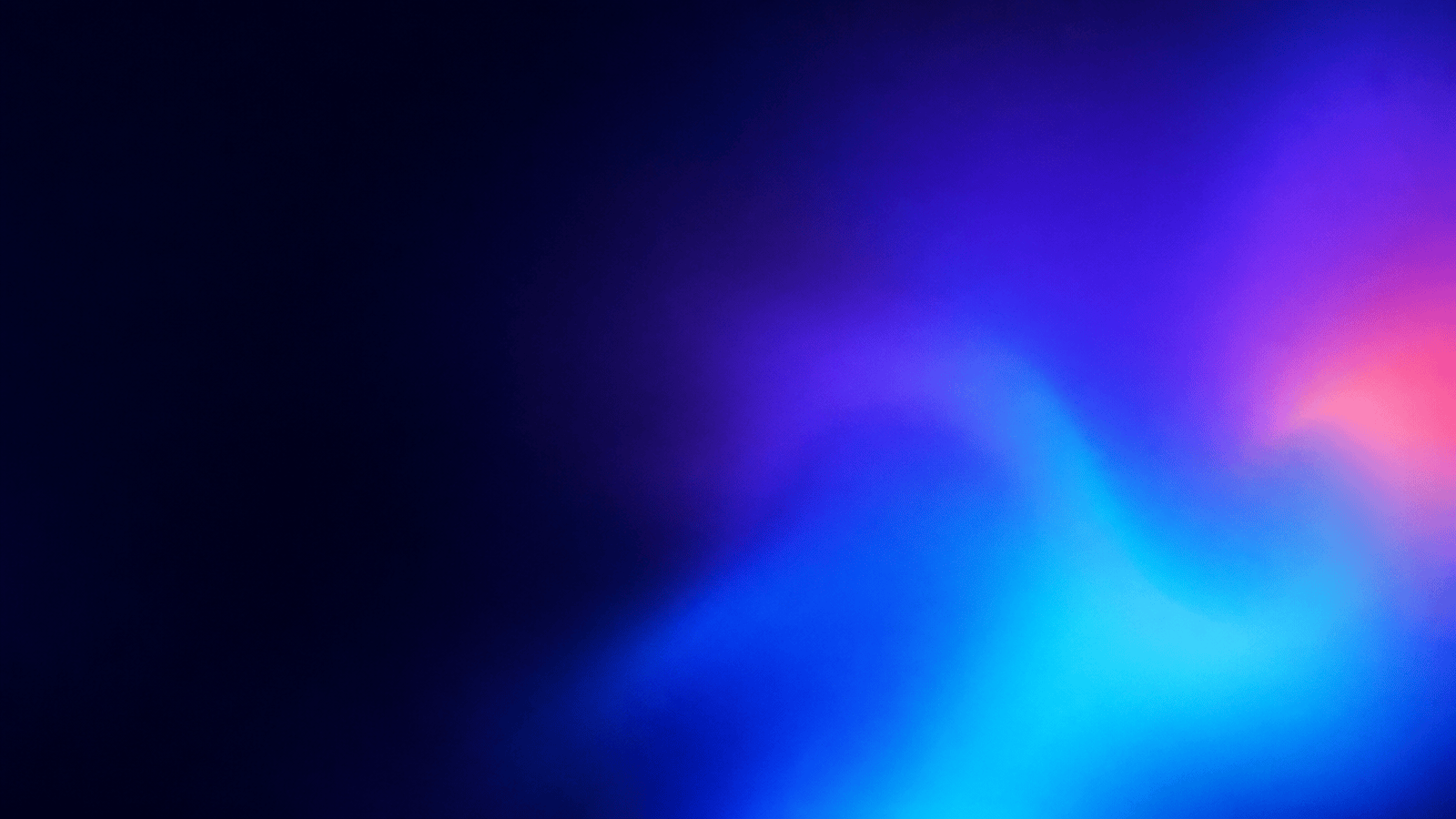
Start with language such as “deep ocean at night with a cyan glow” instead of building the blend one control point at a time. This text-to-gradient workflow helps turn an atmosphere, brand idea, or campaign mood into a visual direction.
Explore More Than Two-Color Blends
The AI gradient background generator can create structured mesh fields, aurora light, radial focus, liquid color, soft blur, or tactile grain. Specify one dominant color and a restrained accent to avoid a generic rainbow result.
Design Around Headlines and Products
Tell the AI where the headline, interface, logo, or product will sit. It can place brighter color away from copy, create a focal glow behind a subject, and leave usable negative space instead of filling every corner with equal intensity.
Guide the Palette with References
Upload a logo, screenshot, campaign image, or color reference and ask Mew Design to build a related gradient direction. Documents provide content; images and brand assets provide the visual palette and style cue.
Create Variations for Each Canvas
A website hero, mobile splash screen, presentation cover, and square social post need different color placement. Generate related versions with adjusted ratios, focal points, and safe areas while keeping the same creative direction.
Refine and Export Without a Watermark
Try the free AI gradient generator with signup credits, refine the background through natural-language edits, and export a finished PNG, JPG, or PDF without a watermark for digital or print use.
How to Prompt AI for a Distinctive Gradient
- Choose a Color Hierarchy: Use two to four colors, identify the dominant field and smallest accent, and include color names or hex references when a brand direction matters. Verify exact output colors for strict brand compliance.
- Name the Gradient Behavior: Ask for linear, radial, mesh, aurora, liquid, blurred, or grainy movement. Add direction, focal glow, transition softness, depth, and texture instead of relying on a vague mood word.
- Reserve Functional Space: State where headlines, buttons, interfaces, logos, or products will appear. Request calm negative space and sufficient light or dark contrast in that area.
- Remove the Generic Look: Say what to avoid: evenly scattered color, default purple-blue, harsh bands, excessive noise, muddy neutrals, bright corners, visible objects, pseudo-text, or an overpowered accent.
Gradient Prompts for Websites, Brands, and Content
SaaS Website Hero: Create a wide mesh gradient using deep navy, aqua, pale mint, and one small coral accent. Keep the left 40% dark and quiet for white headline copy, place the luminous mesh on the lower right, use smooth transitions and very subtle grain, and include no objects or text.
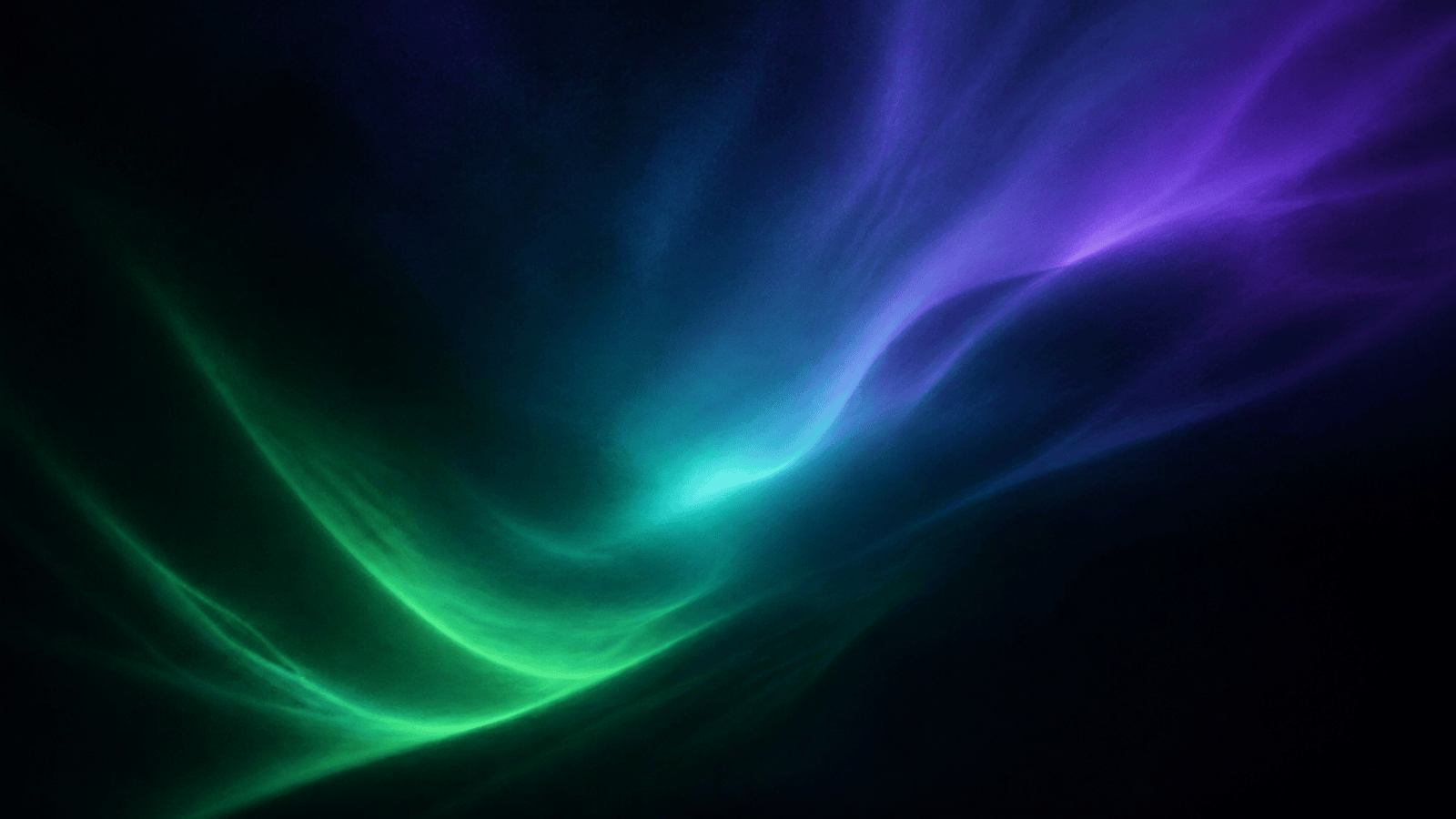
Dark Aurora Wallpaper: Generate a 16:9 cinematic aurora gradient with near-black blue edges, emerald ribbons, ultraviolet light, and a soft teal center glow. Add atmospheric depth and fine film grain, avoid stars, landscapes, text, and symmetrical color placement.
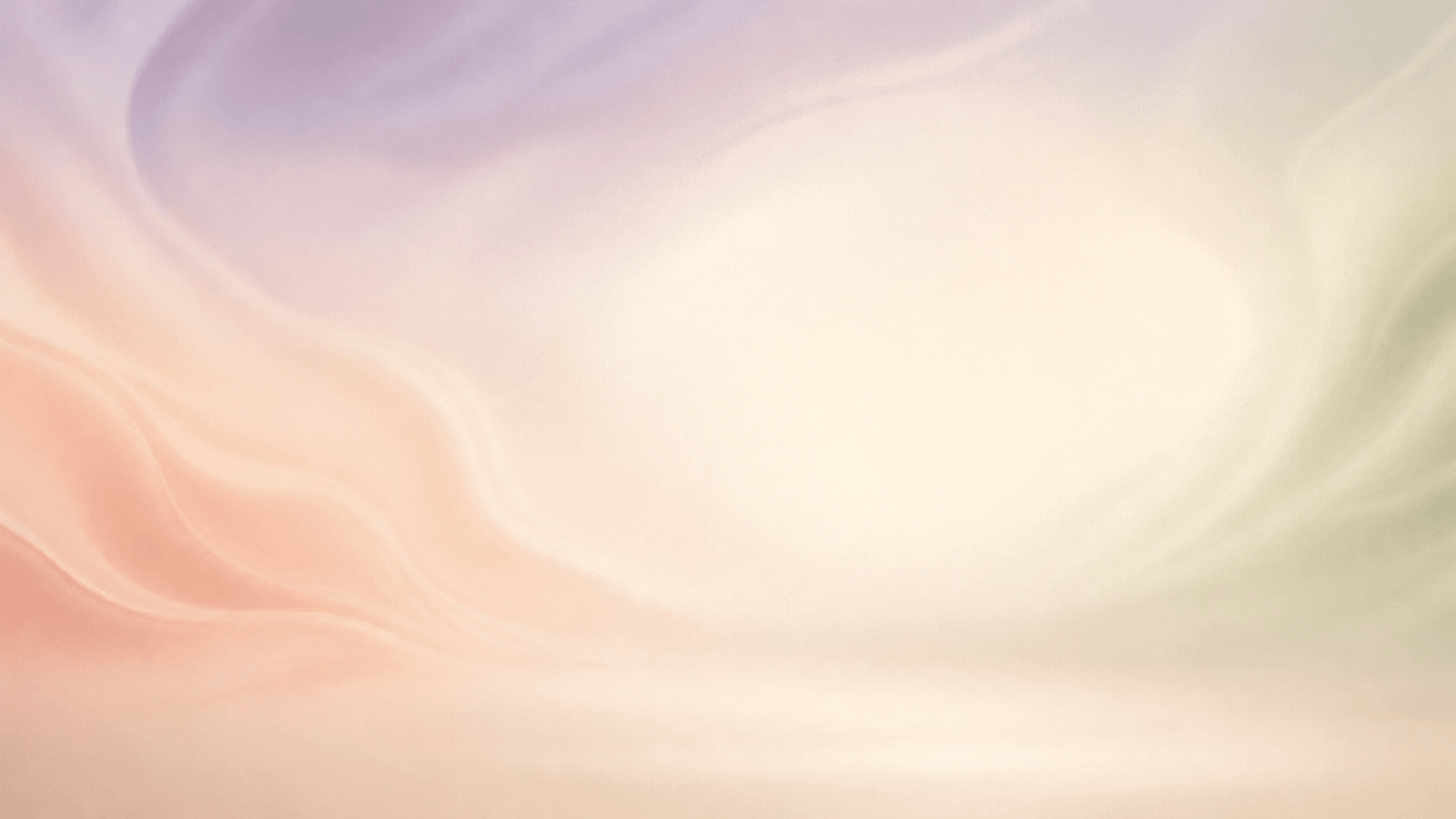
Wellness Product Backdrop: Make a soft liquid gradient background for skincare photography using warm cream, blush peach, muted lilac, and sage. Place a pale spotlight behind the center-right product area, keep transitions milky and calm, and leave the lower third clean for a subtle shadow.
Square Social Announcement: Create a 1:1 radial gradient with energetic tangerine, hot pink, and cobalt, with the brightest light behind the upper-left headline area. Keep the center readable, add a slight paper grain, and do not generate any words or icons.
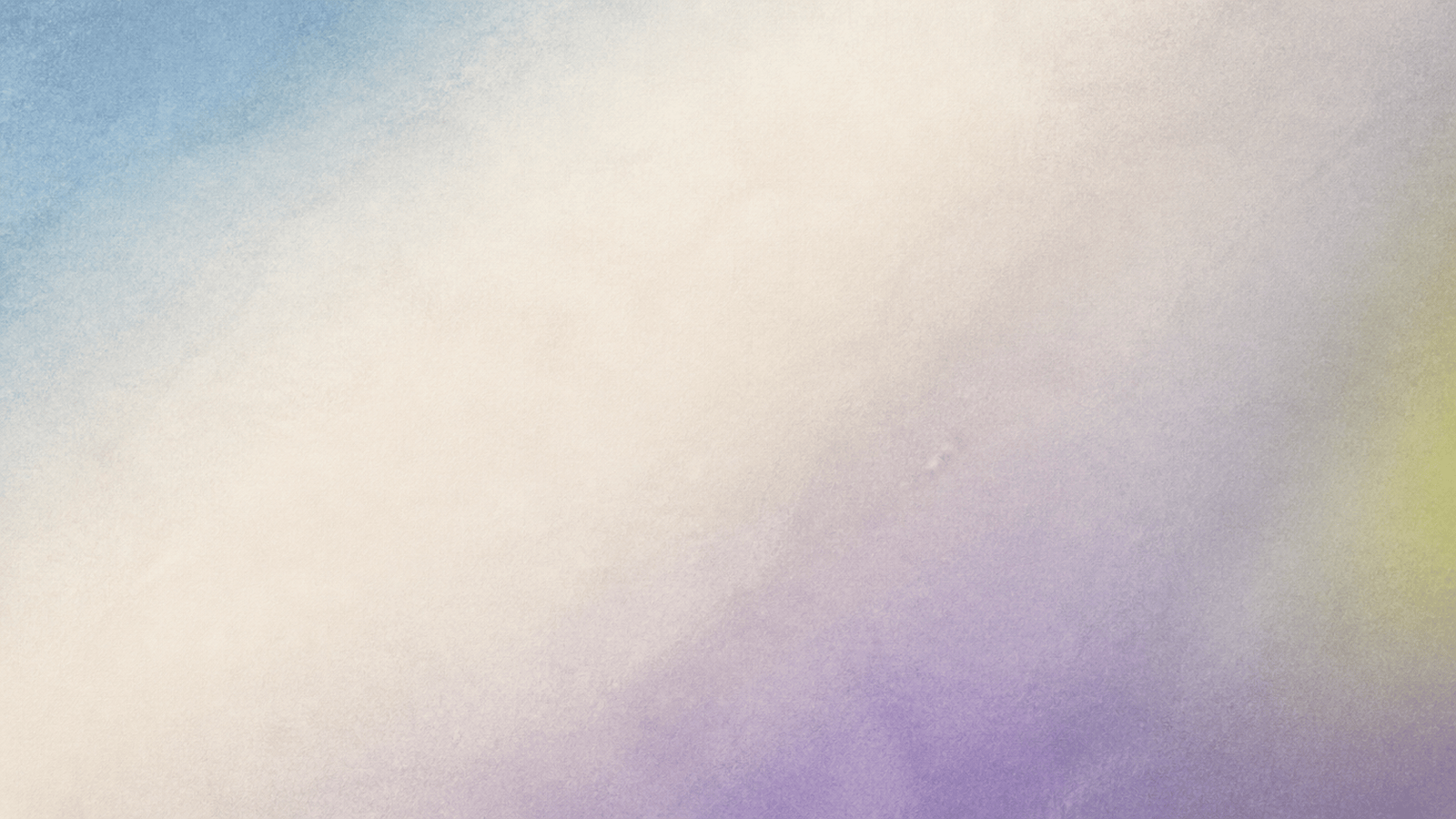
Presentation Cover: Generate a restrained pastel grainy gradient for a strategy deck using ice blue, soft lavender, warm gray, and a tiny chartreuse accent. Keep the center-left clear for a dark title and create gentle diagonal movement without visible bands.
Brand Campaign Banner: Use the palette from my uploaded brand reference to create a 3:1 abstract gradient banner. Keep one brand color dominant, concentrate the brightest accent at the far right, add subtle blurred depth, and leave a high-contrast safe area for the logo and campaign line on the left.