Free OnlineAI Skin Analyzer
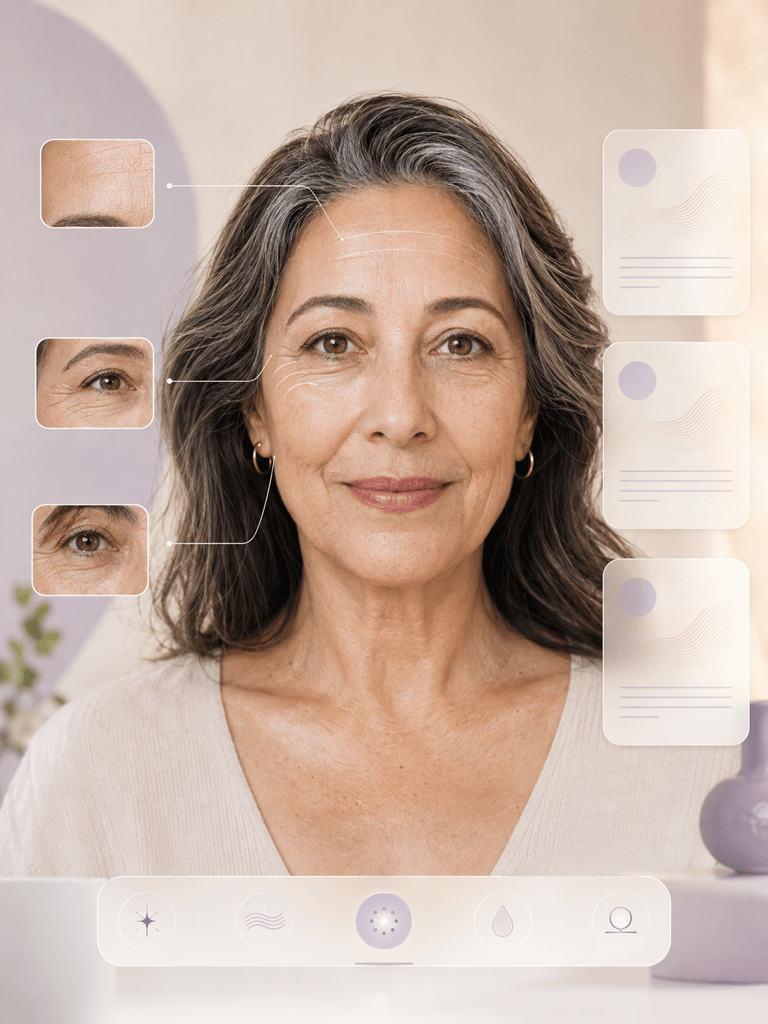
How to Analyze Visible Skin Features with AI
Upload a Suitable Selfie
Set the Visible-Only Scope
Generate a Structured Summary
Check the Limits and Next Step

A More Transparent Way to Review Skin Appearance
Visible Observations, Not Diagnoses
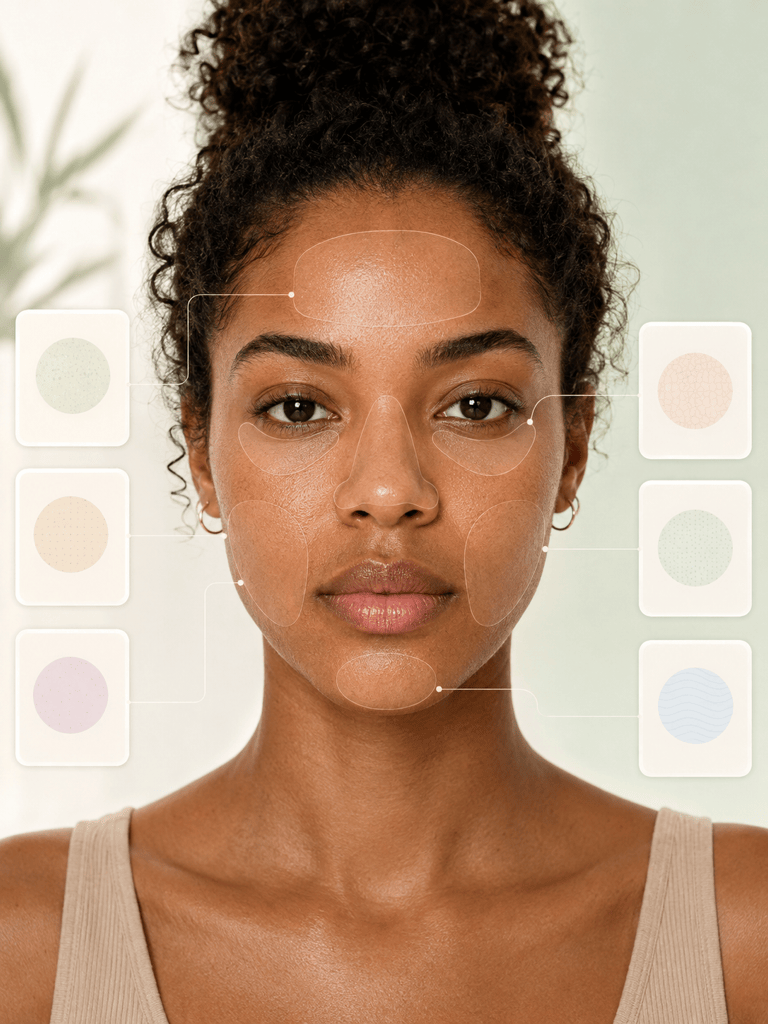
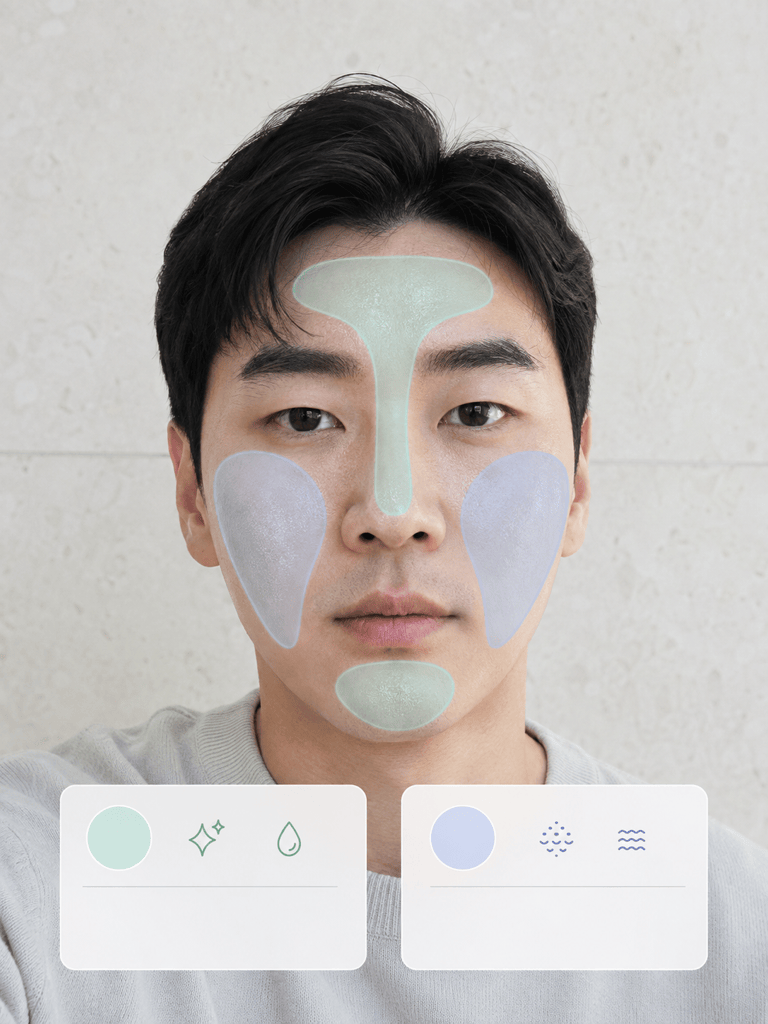
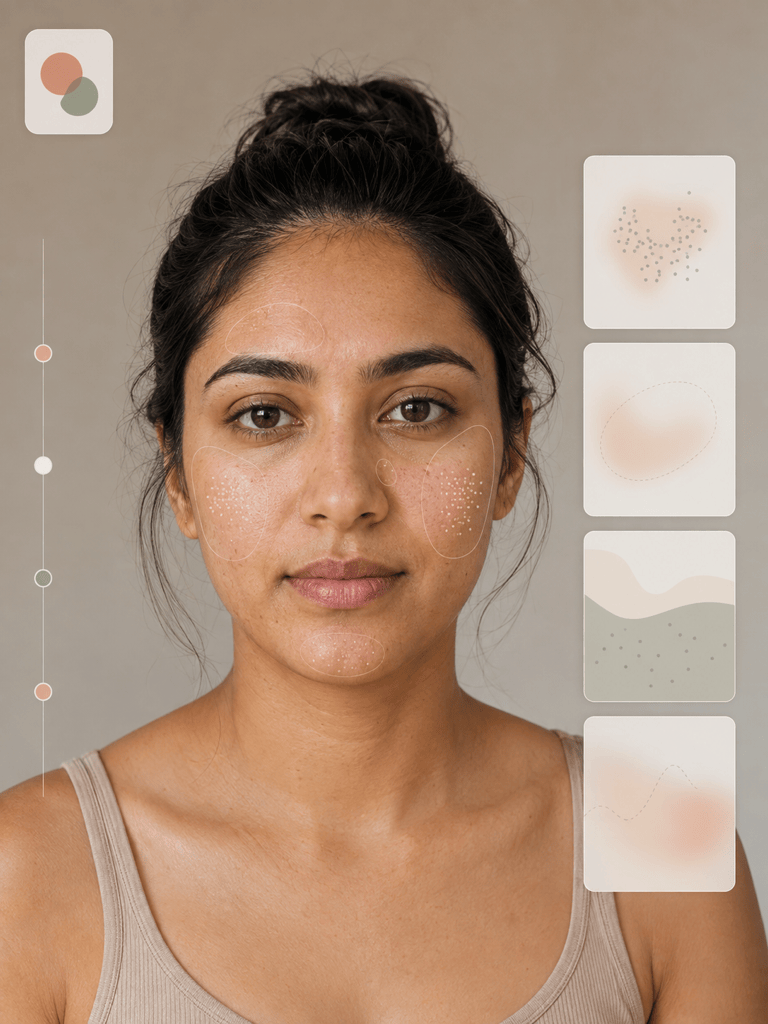
This online AI skin analyzer focuses on what a photo can show, such as visible texture, shine, dry-looking areas, blemishes, fine lines, and uneven-looking tone.
You Choose What Gets Reviewed
Direct the agent to the forehead, cheeks, nose, chin, or under-eye area, and specify which observable features belong in the summary.
Uncertainty Has a Place
Ask Mew Design to label details as visible, uncertain, or not assessable instead of forcing every pixel into a confident conclusion.
Photo Conditions Stay in Context
The summary can note when lighting, focus, makeup, filters, compression, camera processing, angle, or shadows may affect an observation.
Compare Like with Like
A face skin analyzer is more useful when two selfies share the same camera, distance, angle, expression, and lighting. Differences still remain visual, not clinical proof of change.
Refine the Summary in Chat
Turn the first review into a zone-by-zone card, a simple routine question list, or notes for a professional consultation without generating a diagnosis or prescription.
How to Prompt AI for a Useful Skin Appearance Review
- Define the zones: Name the forehead, T-zone, cheeks, chin, lips, or under-eye area instead of asking for a vague full-face score.
- Name observable features: Ask about visible texture, pores, shine, dry-looking patches, blemishes, tone variation, lines, or under-eye appearance—not hidden causes.
- Ask for uncertainty: Request a note when glare, blur, makeup, white balance, or compression makes a detail hard to assess.
- Exclude medical claims: Tell the AI not to diagnose acne, eczema, rosacea, infection, allergy, skin cancer, or any other condition and not to prescribe treatment.
AI Skin Analysis Prompts for Real Selfie Questions
Review @[front_selfie] for visible facial texture and pore appearance. Organize observations by forehead, nose, inner cheeks, outer cheeks, and chin. Use plain language and no numeric score. Explain where lighting or image detail limits the review.
Analyze skin from @[selfie] for visible shine and dry-looking areas. Compare the T-zone with the cheeks, describe only what is observable, and do not claim to measure oil, sebum, water content, or skin-barrier function.
Create a cosmetic appearance summary from @[selfie] covering visible blemishes, post-blemish-looking marks, redness-looking areas, and uneven-looking tone. Do not label acne, rosacea, pigmentation disorders, or a cause. Mark uncertain details clearly.
Use @[selfie] to review visible forehead lines, crow's-feet appearance, under-eye shadows, and puffiness-looking areas. Do not estimate biological skin age, firmness, collagen, or treatment needs. Suggest neutral questions for a skincare professional.
Compare @[baseline_selfie] and @[current_selfie] only for visible differences in texture, shine, blemishes, and tone. First check whether lighting, angle, distance, expression, focus, and camera processing are similar. If they are not, explain why no reliable comparison can be made.
Turn @[selfie] into a skincare consultation question checklist. List visible observations, photo-related uncertainties, and questions I may want to ask a licensed dermatologist or skincare professional. Do not suggest a diagnosis, prescription, or product-specific treatment.