Free OnlineAI Clothing Generator
How to Design Clothes with AI
Build the Garment Brief
Add Shape, Fabric, and Details
Generate and Compare Concepts
Refine the Collection Direction
A Clothing Concept Studio That Responds to Design Language
Start with a Sentence, Not a Template
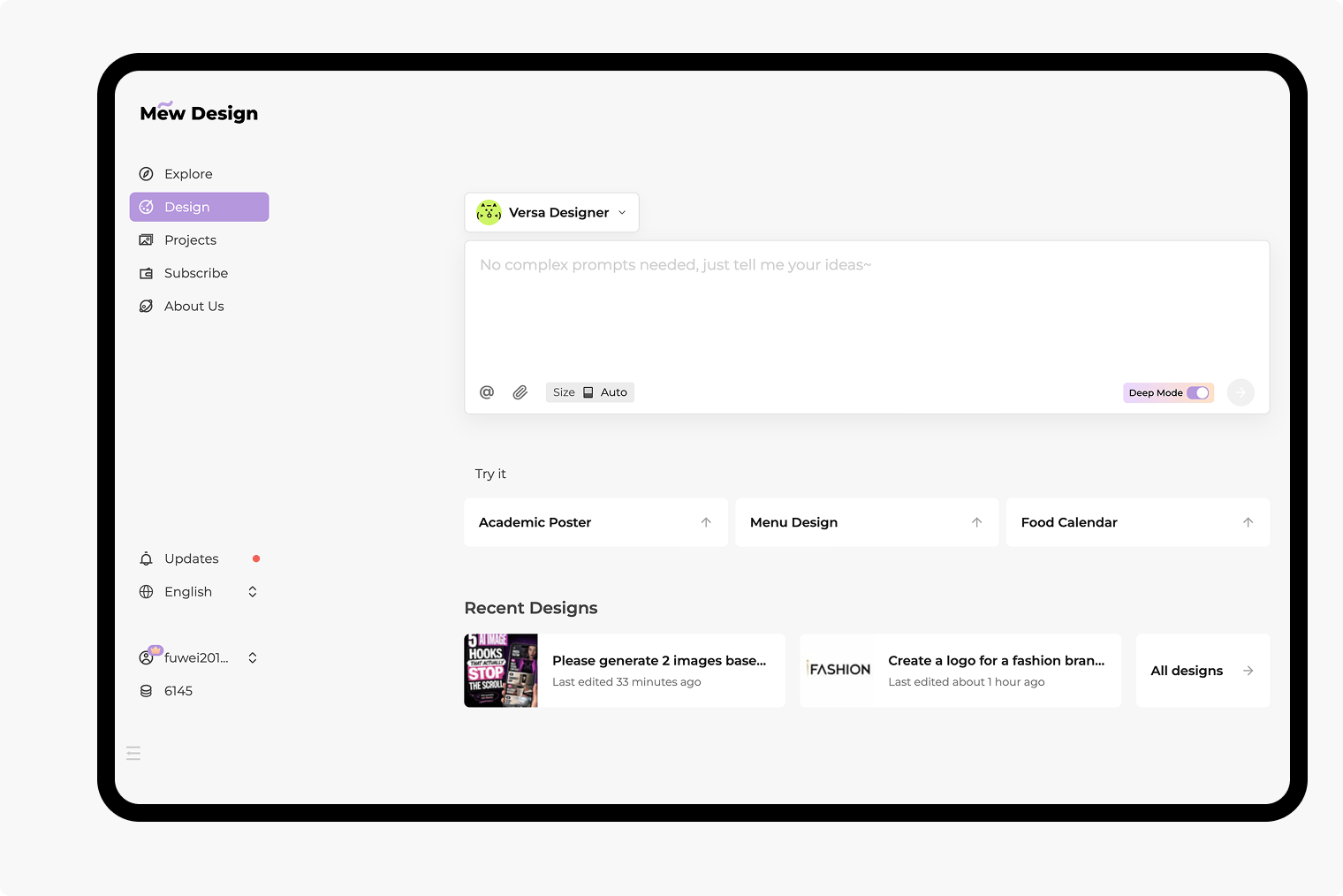
Describe a garment in natural language and let Mew Design develop a visible direction. This free AI clothing generator online is useful for early ideation when you know the audience and mood but have not drawn the piece yet.
Develop a Sketch or Reference
Upload a rough fashion sketch, silhouette study, fabric image, or mood board. Tell the AI which proportions and details to preserve and which visual ideas to reinterpret rather than copying the entire reference.
Control the Garment, Not Just the Vibe
Prompt for a dropped shoulder, corseted waist, curved seam, asymmetric placket, cargo pocket, pleated volume, ribbed cuff, hardware finish, or specific fabric drape so the clothing concept reads as designed.
Explore Colorways and Capsule Logic
Ask the AI fashion design generator for coordinated looks that share a palette, material story, print language, or signature construction detail. Compare options without redrawing every garment from the beginning.
Choose How the Design Is Presented
Create a clean studio garment view, an editorial on-model image, a flat-lay presentation, or a consistent lookbook scene. The presentation can support a portfolio, design review, campaign concept, or e-commerce planning board.
Revise by Conversation and Export Cleanly
Use Chat Edit to adjust color, fabric, trim, pockets, sleeves, styling, pose, or background. Start with free AI credits and export watermark-free PNG or JPG concept images when the direction is ready to share.
How to Prompt AI for Clothing Design
- Define Category and Wearer: State whether it is a dress, jacket, hoodie, activewear set, uniform, or capsule look, then add the wearer, season, occasion, and price or market direction when relevant.
- Shape the Silhouette: Describe length, volume, shoulder, neckline, sleeve, waist, rise, hem, and proportion. Terms such as cropped, column, cocoon, wide-leg, bias-cut, or oversized give the design structure.
- Specify Material and Construction Cues: Name fabric weight, texture, drape, stretch, sheen, seams, closures, pockets, panels, pleats, trims, hardware, and edge finishes that should be visible in the concept.
- Set the View and Destination: Request a full-garment studio view, fashion illustration, flat lay, editorial lookbook image, or coordinated collection lineup, and say whether it is for a mood board, portfolio, pitch, or campaign concept.
AI Fashion Design Prompts for Six Garment Directions
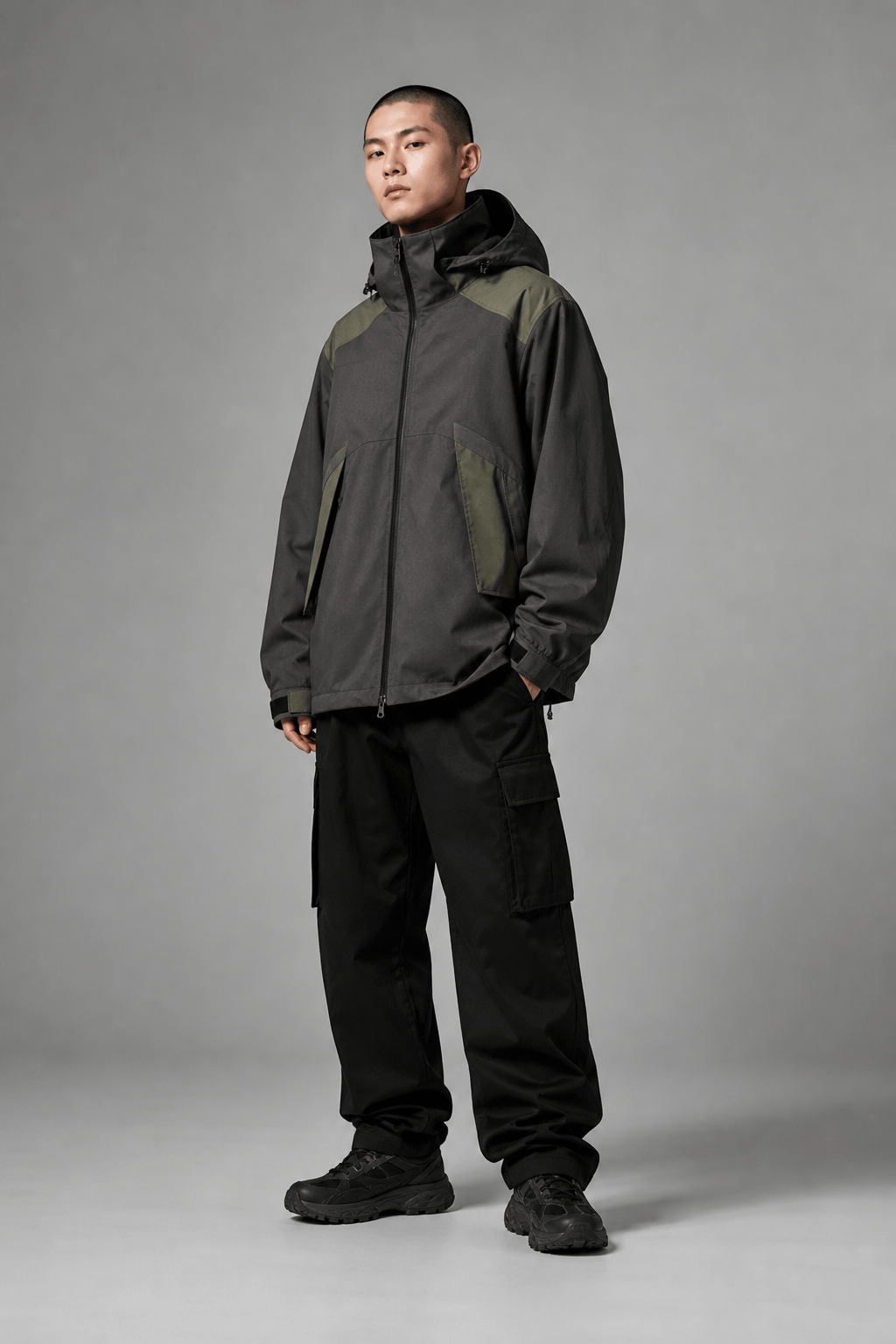
Technical Streetwear: Design an original unisex oversized hoodie in heavyweight black loopback cotton, cropped boxy body, articulated sleeves, double-layer hood, diagonal utility pocket, tonal topstitching, and one removable cobalt webbing strap. Full-body studio model, front three-quarter view, realistic folds, no logo or text.
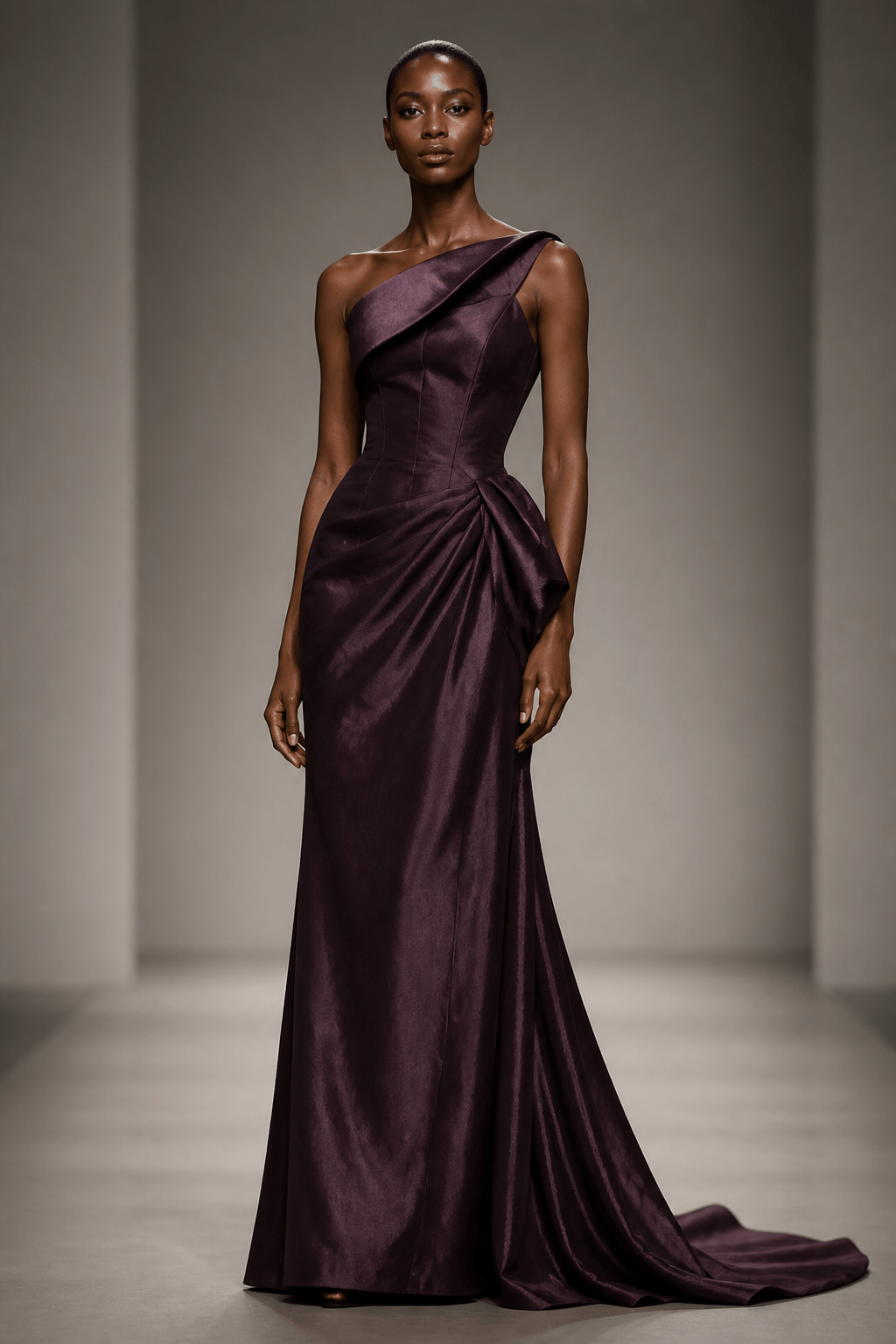
Sculptural Evening Dress: Create a floor-length evening dress with an asymmetric folded neckline, fitted internal corset structure, softly draped silk faille body, one architectural hip volume, and a narrow train. Deep aubergine color, fictional model on a minimal runway, complete silhouette visible, elegant construction, no branding.
Sketch to Fashion Concept: Turn @[dress_sketch.png] into a polished garment visualization. Preserve the sketch's square neckline, fitted waist, lantern sleeves, and calf-length A-line proportion. Render it in washed indigo linen with shell buttons and visible topstitching; neutral studio background, front three-quarter view.
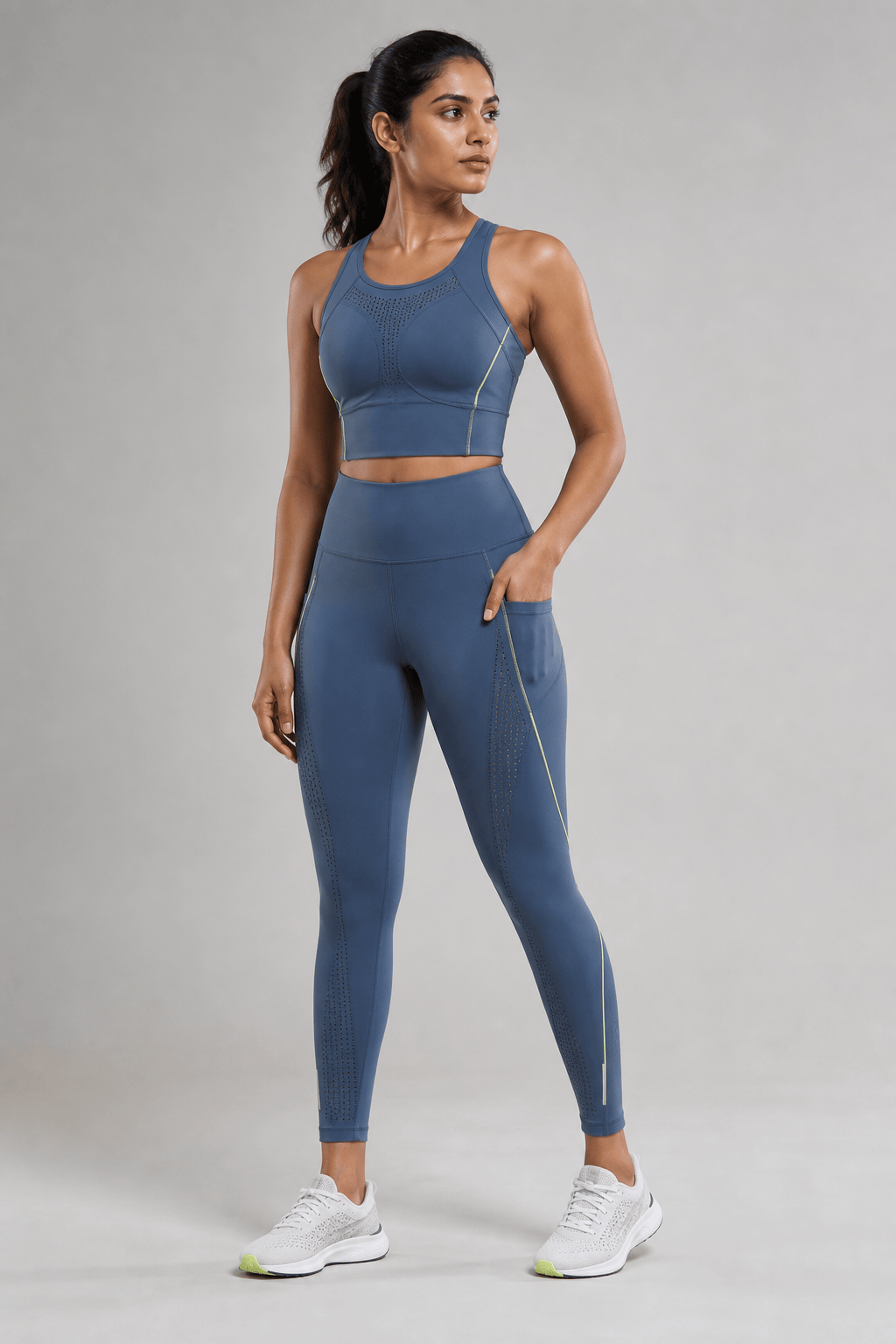
Performance Activewear: Create a coordinated women's running set with a long-line support top and high-waisted leggings. Use breathable matte jersey, laser-cut ventilation zones, reflective piping, secure side pockets, and ergonomic seam mapping in slate blue and acid lime. Athletic studio pose, full garments visible.
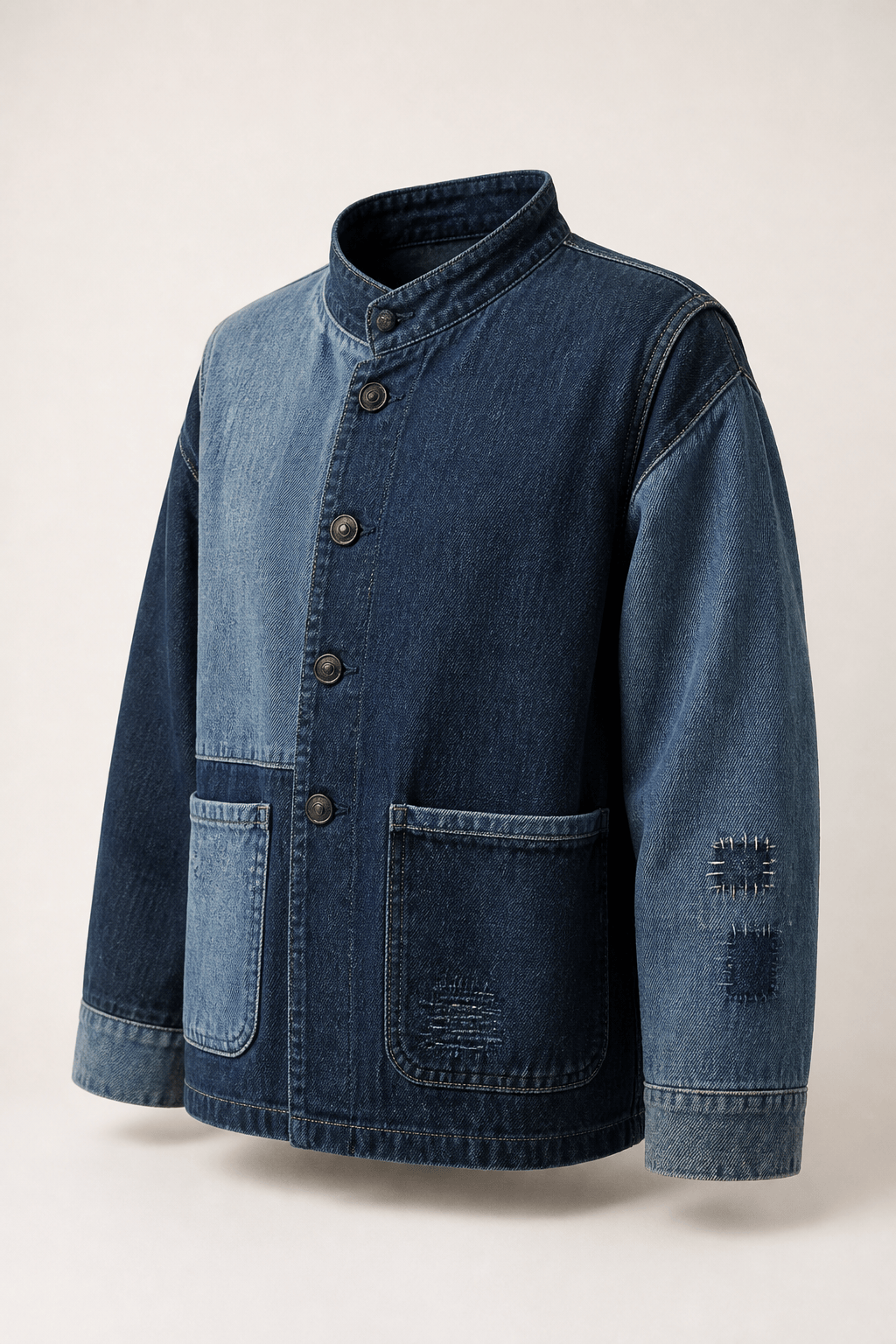
Upcycled Denim Outerwear: Design a gender-neutral modular denim jacket using two shades of reclaimed indigo, a relaxed hip-length fit, detachable sleeves, offset metal shank buttons, reinforced patch pockets, and intentional visible mending. Clean product-editorial presentation, realistic denim weight and stitching.
Three-Look Capsule Collection: Generate three coordinated resort looks that share sand, terracotta, and sea-blue colors: a cropped linen overshirt with wide trousers, a bias-cut midi dress, and a relaxed belted jumpsuit. Keep the same natural-fiber story and curved seam motif across all looks; fictional models in one clean lineup.