Free OnlineAI Arabic Writing Generator

How to Generate Arabic Content with AI
Define the content job
Add facts and constraints
Generate the first draft
Review, adapt, and export
A Practical Arabic AI Writer for Content and Design
Start from a Real Content Brief
Give our AI Arabic content generator a topic, audience, source notes, and desired format. It can turn a rough idea into an outline, a first draft, or copy placed into a design.
Keep Language and Market in View
Ask for Modern Standard Arabic or specify a target market such as Saudi Arabia, Egypt, or the Levant. Naming the audience helps guide tone, vocabulary, and cultural context.
Build the Layout Around the Copy
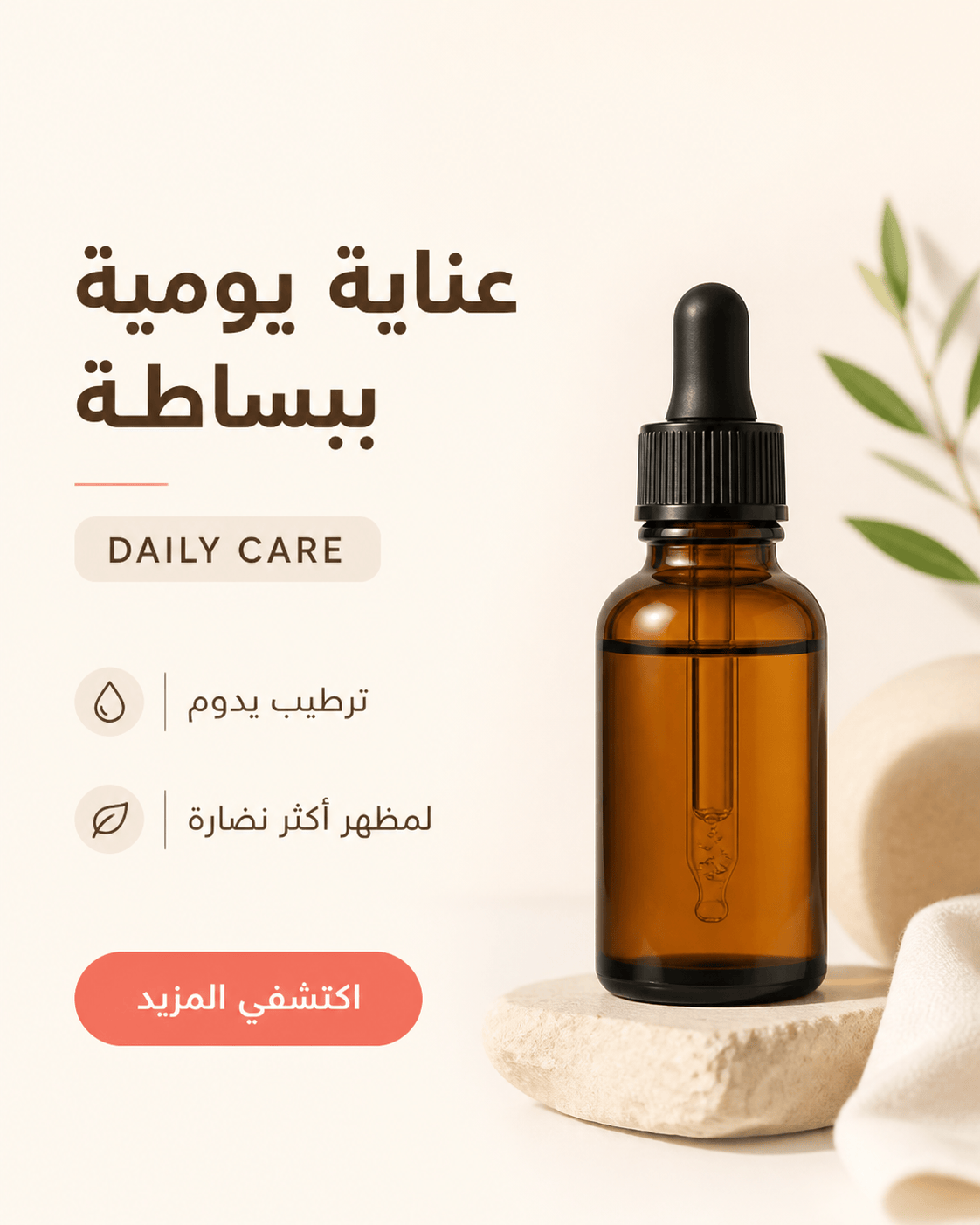
Arabic content often needs clear right-to-left hierarchy, readable line lengths, and careful spacing. Request the content structure and the visual treatment together for social posts, flyers, menus, or landing-page sections.
Rewrite Without Losing the Message
Use Mew as an Arabic writing assistant to clarify a rough draft, change the register, shorten a paragraph, create alternate headlines, or adapt one message for another channel.
Bring Your Brand Terms and References
Upload a logo, product image, source page, or reference design when the copy needs to match an existing brand. Keep product names, feature terms, prices, and required claims visible in the brief.
Create Versions for Every Channel
Explore several directions for a social caption, product card, website hero, email banner, or printable flyer. The free AI Arabic writing generator experience starts with free credits after signup, so you can test a workflow before committing.
How to Write a Strong Prompt for Arabic Content
- Language and market: Specify Modern Standard Arabic or a regional style, such as Saudi, Egyptian, Levantine, or Maghrebi. Name the country and say whether you need Arabic script, transliteration, or diacritics.
- Content and facts: Paste the source information, required keywords, names, prices, product details, and claims. Tell the AI what must stay unchanged and what it should not invent.
- Tone and format: Describe the audience, tone, length, channel, and sections. For example, ask for an SEO article outline, a short Instagram caption, or a formal customer email.
- Layout and references: If the words will become a design, mention right-to-left hierarchy, bilingual order, dimensions, colors, logo placement, and any reference images or brand assets.
Arabic AI Writing Prompts for Real Use Cases
Arabic SEO blog post: Create an outline and opening section in Modern Standard Arabic for an article about choosing energy-efficient air conditioners in the Gulf. Use the keyword [insert keyword], explain the reader's problem clearly, and suggest practical H2 headings without making unsupported statistics.
Arabic product description generator: Write a concise product page in Modern Standard Arabic for [product]. Include a benefit-led headline, five scannable benefits, specifications, and a clear CTA. Keep every fact from [source notes] exact and leave [price] as a placeholder.
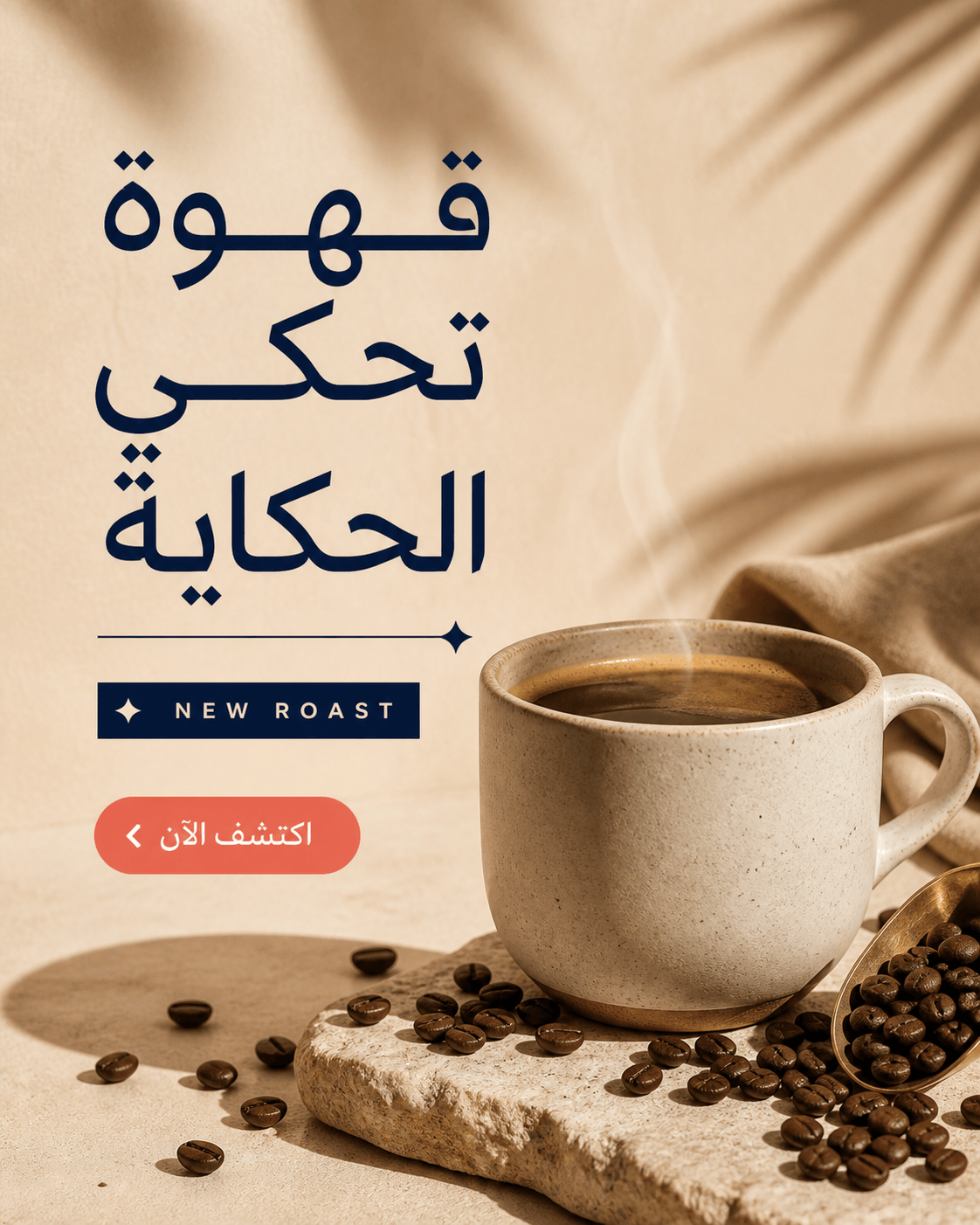
Arabic social media caption: Create three Instagram captions in a friendly Saudi tone for a new specialty coffee blend. Mention [origin], [flavor notes], and [launch date]. Keep each version under 80 Arabic words and end with a different CTA.
Arabic marketing email: Draft a professional Arabic email announcing [offer] to existing customers in the UAE. Include a subject line, preview text, short body, one CTA, and a polite opt-out line. Keep the tone helpful rather than aggressive.
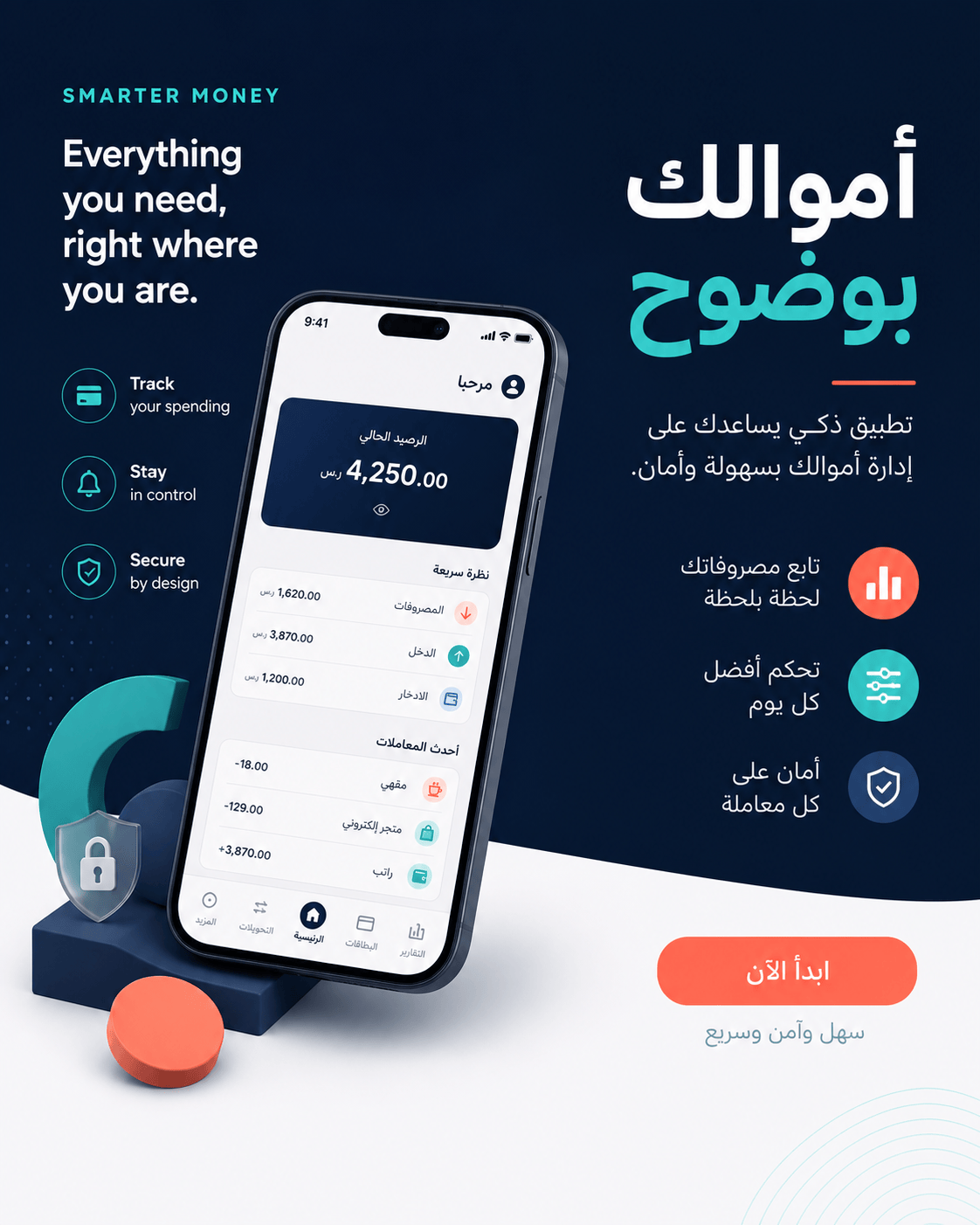
Bilingual landing-page copy: Create an Arabic-first hero section for a fintech landing page. Write the Arabic headline, supporting paragraph, three benefit bullets, and CTA in Modern Standard Arabic, followed by concise English equivalents. Use a right-to-left layout with Arabic as the primary hierarchy.
Arabic educational explainer: Turn these notes about [topic] into a clear one-page Arabic lesson for secondary-school students. Use simple Modern Standard Arabic, short sections, a glossary of five terms, and three review questions. Do not add facts that are not in the notes.